







Search Results for: Coffee Certificate

Major Reform of the SCA Coffee Certification System: Credit-Based "Black Certificates" to Be Discontinued, New Skills Certificates Require Comprehensive Learning
The Specialty Coffee Association (SCA) recently announced that it will launch a brand-new SCA skills certificate system, gradually replacing the current SCA coffee certificates. The application deadline for the current Black Certificate (100-point certificate) is December 31, 2023, and the new certification will be fully implemented starting in 2024. The new system is divided into four major certification tracks, each requiring completion of three foundational courses—Coffee Skills, Sustainability, and Technology—before advancing to the corresponding higher-level study, completely abandoning the credit system. For professionals currently preparing for or planning to obtain the old Black Certificate, this year is the final window of opportunity. [more…]
What Are the Internationally Recognized Barista Certifications? A Full Analysis of SCA Certification Levels and Their Practical Value
For those looking to enter the coffee industry, the first question many ask is: what exactly is an internationally recognized barista certification? Currently, the globally accepted answer is the certification issued by the SCA (Specialty Coffee Association). SCA's coffee skills program covers sensory cupping, coffee brewing, espresso preparation, roasting, an introduction to coffee, and the Arabica Q-Grader certification, among other tracks. With the exception of Q-Grader, the other categories are divided into three levels: Foundation, Intermediate, and Professional. You can skip Foundation and sign up directly for Intermediate, but you must obtain the Intermediate certificate before you can take the Professional level. China's national barista vocational skills certificate is currently recognized only within the country; internationally, SCA certification remains the standard. Is getting certified actually useful? Are the fees high? Is certification mandatory to work as a barista or open a coffee shop? This article will address these questions one by one to help coffee enthusiasts and industry professionals make a rational judgment. [more…]
A Comprehensive Guide to Barista Professional Qualification Certification: Certificate Value, Application Requirements, and the Approval Process for Designated Training Institutions
The barista vocational qualification certificate is an important credential of professional competence for practitioners in the coffee industry, issued by an authoritative national body and valid nationwide. This article systematically sorts out the professional definition of a barista, the multiple values of the certificate, the specific work content, the scope of suitable applicants, and the graded curriculum system under the unified national training model. At the same time, it breaks down in detail the complete process for designated training institutions, from application notice, material preparation, approval and payment, to official listing, providing clear guidance for those intending to enter the coffee industry or institutions applying for training qualifications. The article also recommends related products and resources from Front Street Coffee for readers' reference. [more…]
Is It Worth Getting a Barista Certification? A Full Breakdown of the Differences Between SCA Certification and Q-Grader Qualification
Does working in the coffee industry really require obtaining a certification? This is a question that many coffee professionals and enthusiasts have pondered repeatedly. In recent years, China's coffee market has grown rapidly, with all kinds of training institutions springing up endlessly, and huge disparities in qualifications and fees, leading many people to waste their money. This article focuses on two paths—the SCA Barista certification and the Q-Grader coffee quality grader certification—sorting out their level systems, exam rules, fee ranges, and suitable audiences, to help readers judge whether certification fits their own career plans, while also discussing the practical value of certificates and the importance of subsequent self-improvement. [more…]

How Much Is a Barista Certification Really Worth? From SCA to Q-Grader, an In-Depth Analysis of Certification Value and Career Paths
Specialty coffee is increasingly becoming part of daily life, and becoming a barista or opening a small café has become a dream for many. In an era when everyone can do pour-over, getting certified seems to have become the preferred path to stand out. But is a barista certificate really worth it? Behind the high training fees, can the course content truly improve oneself? This article examines the actual usefulness of certification, the necessity of certification before applying for jobs or starting a business, the internationally authoritative certification systems (SCA, Q-Grader), and the reform of domestic vocational qualifications, sorting through the value and applicable scenarios of barista certificates one by one. Whether you are a newcomer just entering the industry or an aspiring owner preparing to open a shop, you can find rational reference here. At the end of the article, Front Street Coffee's contact information is also included for further discussion. [more…]
Heytea's Start of Autumn marketing campaign goes big on creative stunts: a 1.5-meter honor certificate and a half-person-tall cup spark heated discussion, with store sales soaring over 600%.
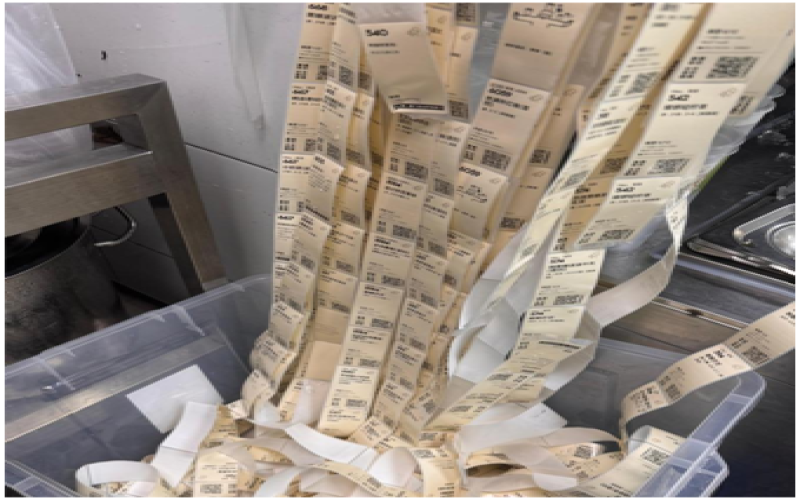
Start of Autumn was originally a solar term, but today it has become a carnival moment for milk tea consumption. Major brands are pulling out all the stops to compete for the traffic around the "first cup of milk tea in autumn." This year, Heytea has made "big" its core strategy, creating a strong social topic with a giant Heytea cup half a person's height and a 1.5-meter-tall "Heytea Person Honor Certificate." The event rules are simple: the customer who places the 8,001st in-store order receives the giant certificate. Some people drove seven kilometers under the scorching sun just for this sense of ceremony, while other socially anxious customers were caught off guard by the sudden award ceremony. The brand also considered the details, making the certificate foldable and easy to carry. Data shows that on the day of Start of Autumn, sales at many Heytea stores increased by more than 600% compared with the previous day, and first-day sales of the new product "Extra Chunky Yellow Peach Mango" exceeded 400,000 cups, setting a brand record. This article was compiled by Coffee Workshop and takes you through the behind-the-scenes story of this unconventional marketing campaign. [more…]
How Do You Get SCA Barista Certification? A Comprehensive Guide to Levels, Costs, and Value
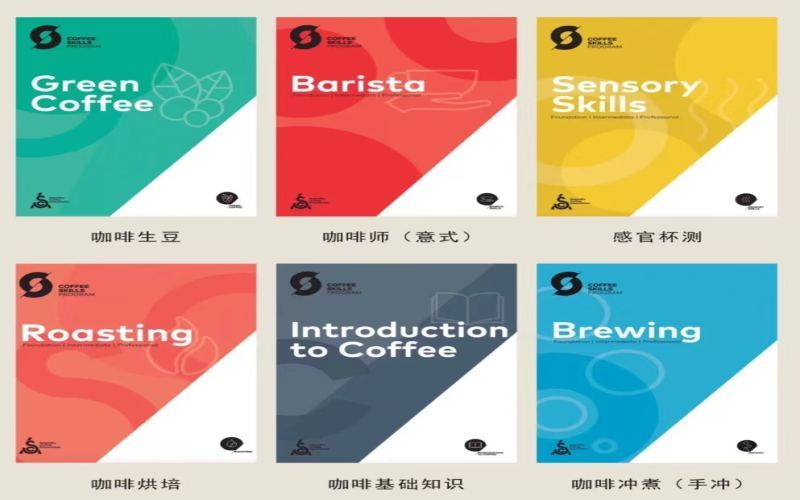
For those looking to enter the specialty coffee industry, SCA certification is a topic many cannot avoid. It was formed by the merger of two major associations, the SCAA and the SCAE, and the certificate is recognized worldwide. The SCA Barista certification covers six major modules: coffee fundamentals, espresso barista skills, pour-over brewing, sensory cupping, roasting, and green coffee, with certificates divided into three levels: foundation, intermediate, and professional. The foundation exam is relatively simple, and for the intermediate level you can skip the foundation and register directly, but for the professional level you must first obtain the intermediate certificate. Does earning the certification mean a higher salary? Is the course really worth taking? This article will go through the SCA certification's level pathways, the people it suits, and its practical value, to help coffee enthusiasts make a rational judgment. [more…]
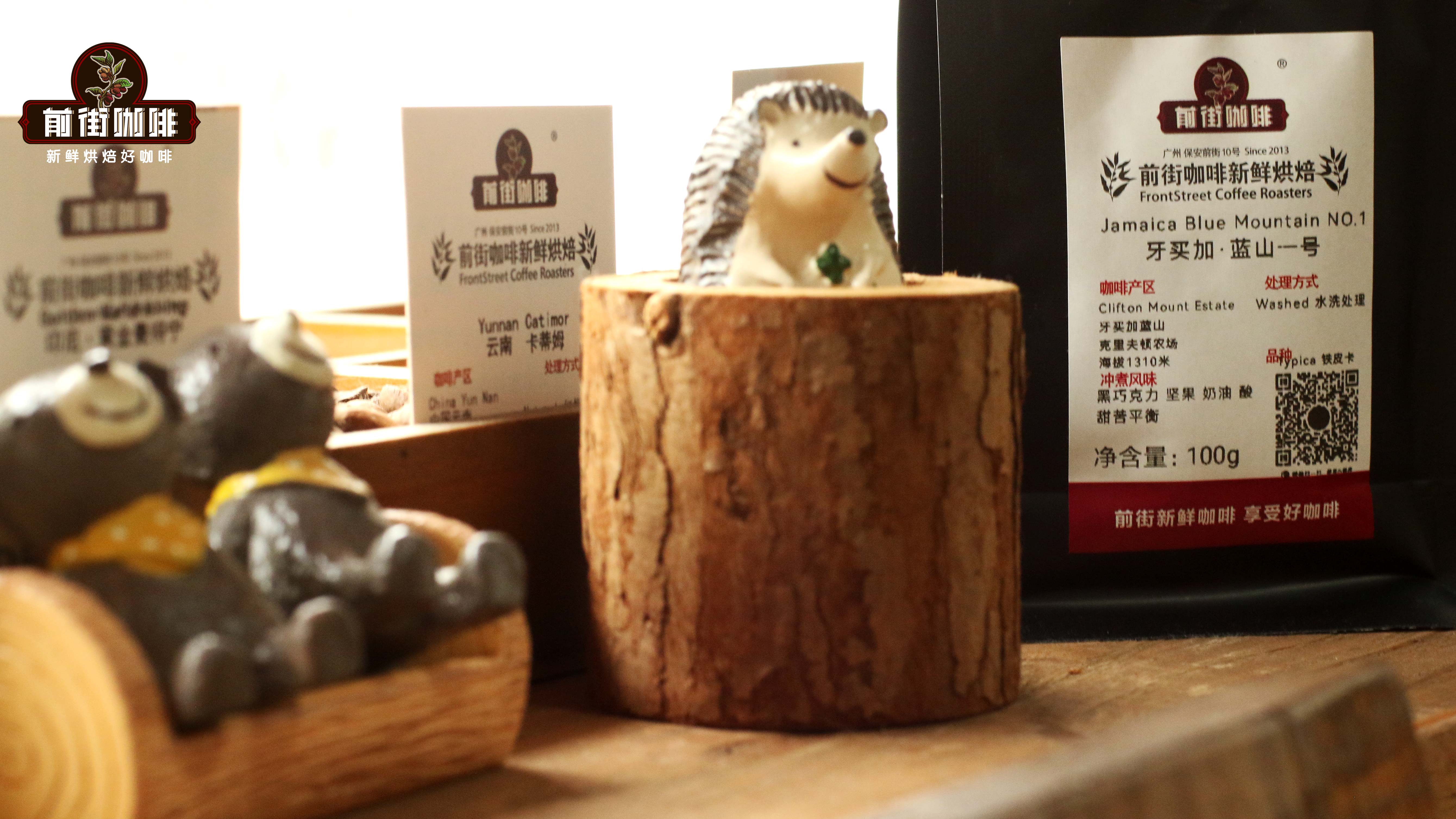
A Complete Guide to Authenticating Jamaican Blue Mountain Coffee and Understanding Its Grade Certification: Front Street Coffee Teaches You to Identify Genuine Blue Mountain by Price, Barrel, and Certificate
Jamaican Blue Mountain coffee is renowned worldwide, but the market is full of imitations. How can you confirm whether the Blue Mountain in your hands is authentic? This article starts with Front Street Coffee's Blue Mountain No. 1, systematically outlining the three keys to identifying genuine Blue Mountain—price range, wooden barrel packaging, and certificate of origin—and takes a deeper look at the CIB's grading standards for Blue Mountain, explaining why Blue Mountain No. 1 qualifies as the highest grade. It also introduces Front Street's philosophy and flavor presentation when roasting Blue Mountain, helping coffee lovers make more accurate judgments when purchasing and tasting. [more…]
An Analysis of the SCA and Q Grader Certification Systems: Exam Content and a Practical Guide for International Baristas
Want to break into the coffee industry—do you really need to spend money on certifications? The two major international credentials, SCA and Q Grader, are often discussed. SCA uses a credit-accumulation system covering barista skills, pour-over, roasting, sensory, and green coffee, among other areas, allowing students to choose modules as needed; Q Grader, launched by CQI, focuses on green coffee quality evaluation, requiring candidates to pass twenty tests within six days, with the certificate valid for three years. This article breaks down the course structure, exam content, fees, and target audiences of the two types of certification to help you decide which path better suits your career plans. [more…]
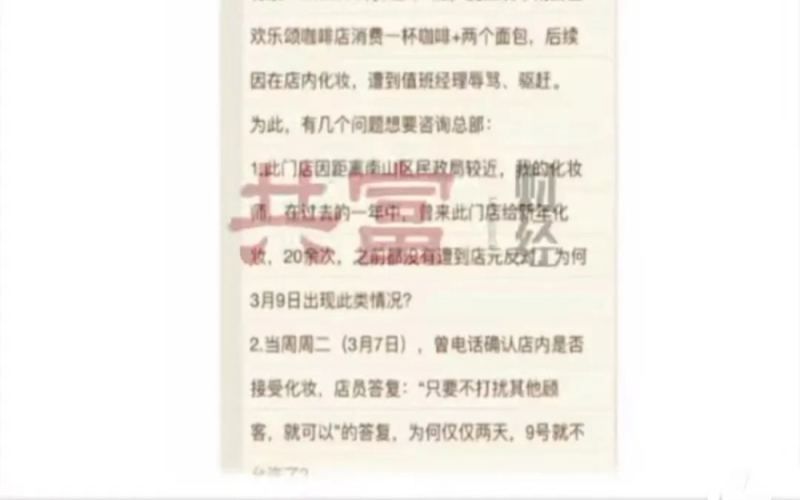
On Certificate Day, Starbucks Makeup Session Sparks Heated Debate After Customer Asked to Leave; Store Explains Communication Was Too Loud, Has Refunded Order and Apologized
Recently, a netizen alleged that they were asked to leave while doing makeup at a Starbucks store in Shenzhen on the day they received their marriage certificate, and the incident quickly sparked discussion. According to the netizen's account, they had called the store in advance to confirm that doing makeup was allowed as long as it did not disturb others, but after making a purchase that day, they were still discouraged by the shift manager during the makeup process and even felt insulted. The store involved responded that if the smell or powder of cosmetics affects other customers, staff will step in to remind them, that the shift manager's voice was indeed somewhat loud at the time, and that afterward the full order was refunded and two tall drink vouchers were given. The regional manager has stepped in to communicate. Netizens have differing views on this. Some believe a coffee shop is not a place for doing makeup, while others think normal touch-ups are harmless and that there may be another reason for the conflict. The incident has once again prompted reflection on the boundaries of using public space in coffee shops. [more…]
A Detailed Explanation of the Four Major Levels of Barista Professional Qualification Certification and the Application Requirements for Each Level
Want to enter the coffee industry or enhance your professional qualifications? Understanding the level structure and application thresholds of barista professional qualification certification is the first step. Currently, this certification system has four levels, progressing step by step from junior barista to coffee technician, covering career directions such as coffee preparation, tasting, industry research, and cultural promotion. Different levels correspond to different requirements for education, training hours, and years of work experience, and applicants can choose a suitable path based on their own circumstances. This article will sort out the specific application qualifications for each level one by one to help you clearly plan your certification route. [more…]
A Detailed Guide to Jamaica Blue Mountain Coffee Grading and Barrel Export Standards
Jamaican law explicitly stipulates that only coffee beans originating from the Blue Mountain region may be labeled as Blue Mountain Coffee. High-grade Blue Mountain Coffee is classified by bean size into three grades—No. 1, No. 2, and No. 3. Although they differ in size, their cup profile must be confirmed by government-approved professional tasters to ensure consistent quality. These green beans must be shipped in wooden barrels for export, with the barrel bearing information such as the estate name, importer's initials, lot number, and port of arrival. Importers also receive a green certificate of origin. The Jamaican government also imposes strict export restrictions on defective beans and coffee with flavor issues. The virtues of Front Street Coffee's Blue Mountain Coffee can only be fully revealed at a specific roast level. This article will provide a detailed analysis of Blue Mountain Coffee's grading system, export packaging standards, and certificate of origin system to help enthusiasts distinguish authentic from counterfeit. [more…]
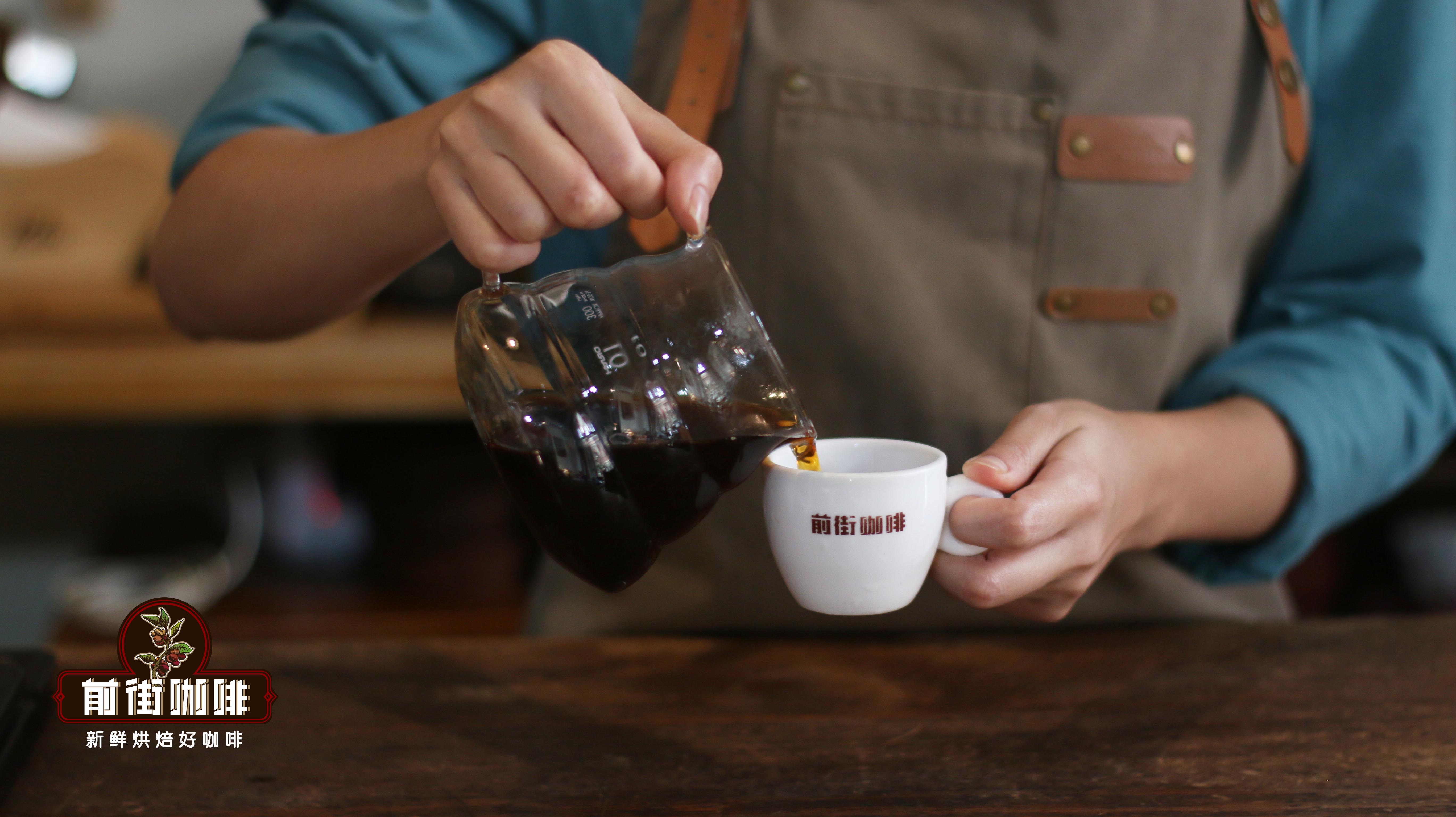
An Analysis of Jamaican Blue Mountain No. 1 Coffee Flavor Characteristics: Growing Region Conditions, Authenticity Verification, and Brewing Key Points
Blue Mountain coffee is hailed as one of the world's top coffees, yet only about 900 tons are truly produced each year within Jamaica's legally designated Blue Mountain region, and products on the market named "Blue Mountain flavor" are far removed from authentic Blue Mountain coffee. This article systematically sorts out the strict definition of Blue Mountain coffee, the altitude grading standards, and the official certification system, and introduces the innovation journey of Clifton Estate. At the same time, it focuses on the grade requirements for Blue Mountain No. 1 coffee beans, from bean size and defect rate to roast level and resting time, and then to Front Street Coffee's recommended low-temperature Kono dripper brewing method, fully presenting the flavor performance and extraction details of this balanced, mellow coffee. [more…]
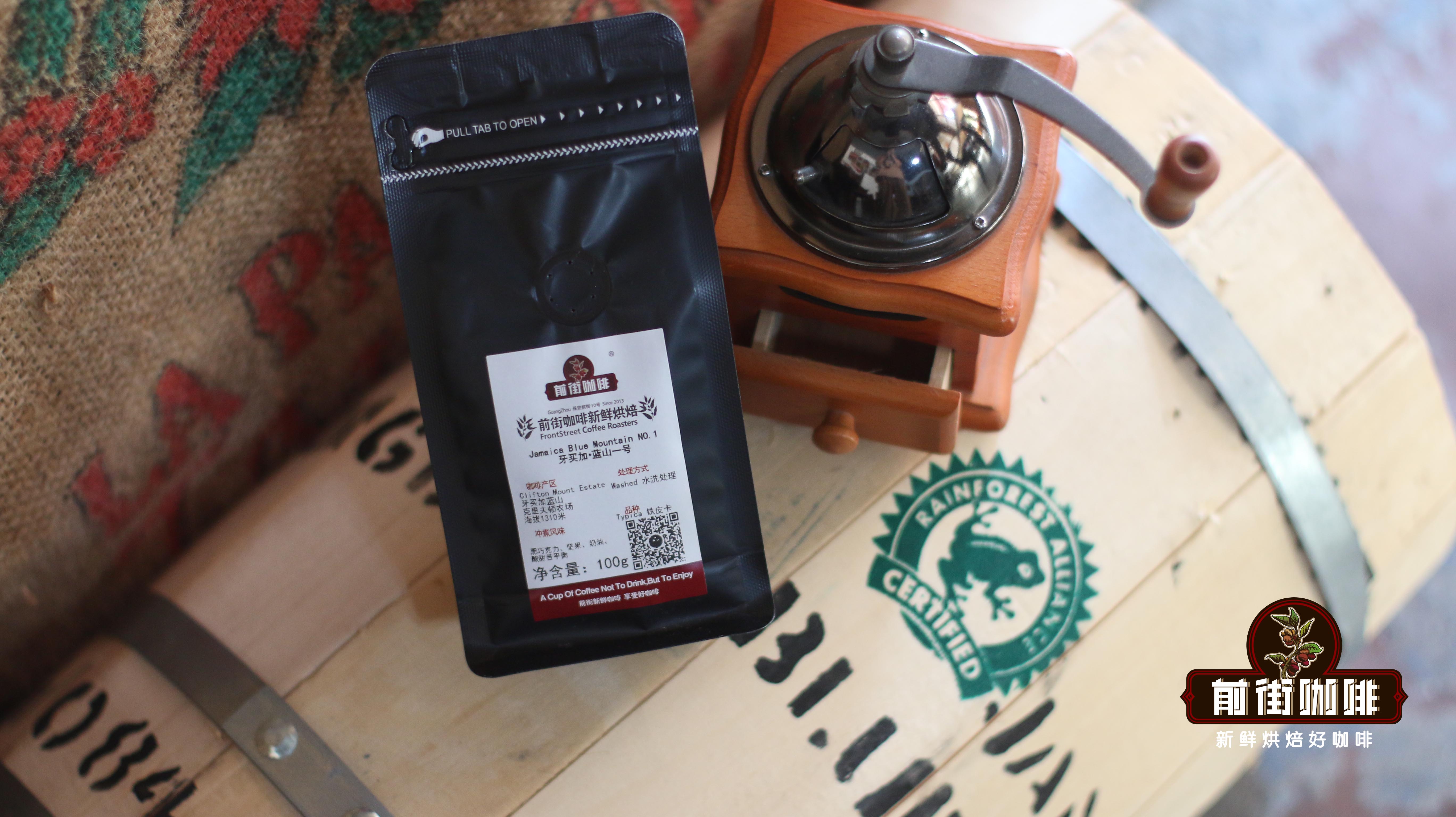
How to Identify Authentic Jamaican Blue Mountain Coffee Beans? A Complete Analysis from Origin Grading to Flavor Characteristics
Blue Mountain coffee has long been hailed as the "King of Coffee," yet market prices range wildly from affordable to exorbitant, leaving consumers bewildered by the dazzling array of products and often unable to tell genuine from fake. Although Jamaica's Blue Mountain range produces exceptional coffee, this does not mean every bean from the region can bear the name "Blue Mountain." The Jamaica Coffee Industry Board (CIB) has established strict divisions of coffee-growing regions based on altitude, and only beans grown within a specific elevation range may use the Blue Mountain coffee designation. This article will systematically sort through the grading standards and quality certification system for Jamaican Blue Mountain coffee, explain the flavor profile of authentic Blue Mountain coffee, and recommend relevant product information from Front Street Coffee, helping coffee lovers make wiser choices when purchasing. [more…]
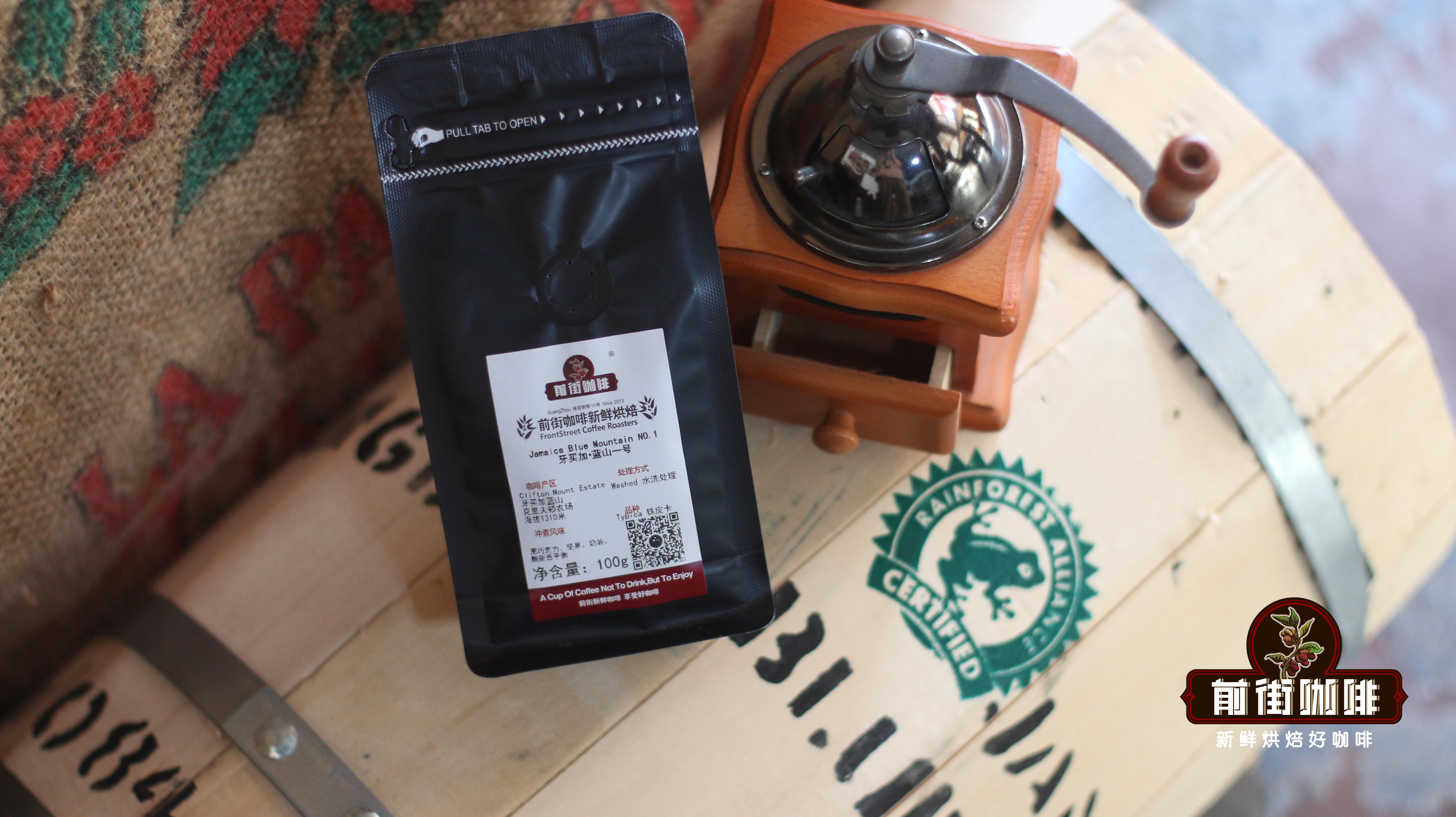
Jamaica Blue Mountain No.1 Coffee Beans Pour-Over Method: Authentic Flavor Profile Analysis and Brewing Parameters Guide
Blue Mountain coffee is a legendary coffee nurtured by Jamaica's Blue Mountains. Among these, Front Street Blue Mountain No. 1 coffee beans come from the historic Clifton Estate, which is also the only estate in the region to obtain Rainforest Alliance certification. This article will guide you through the origin background, certification system, and roasting approach of Front Street Blue Mountain No. 1 coffee beans, as well as how to fully release the nutty, dark chocolate, and caramel sweetness of this medium-dark roasted coffee through the KONO dripper and staged pouring technique. From the coffee-to-water ratio, water temperature, to grind size, every detail affects the final flavor performance. If you want to know how to brew authentic Blue Mountain No. 1 as pour-over so it tastes great, this content will provide a complete answer. [more…]
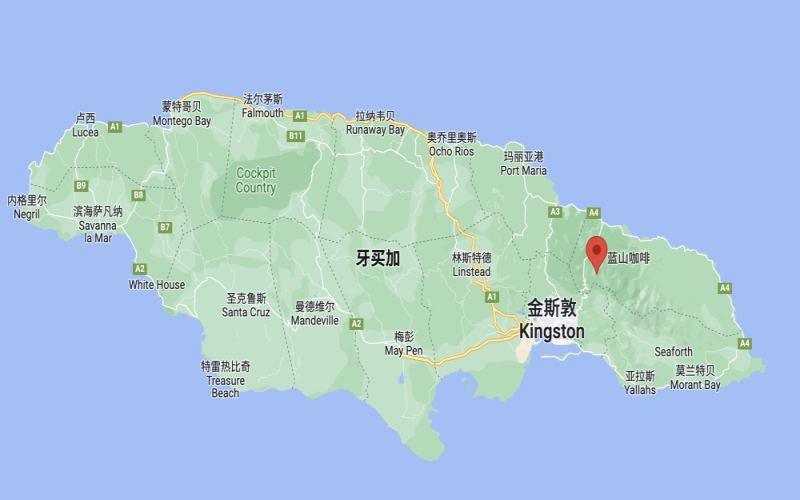
Jamaica Blue Mountain Coffee Brands: An Analysis of Authentic Blue Mountain No. 1 Beans' Origin, Certification, and Brewing Flavor
Blue Mountain coffee is widely recognized as one of the finest coffee varieties in the world, with limited annual production and prices that are therefore higher than those of most other producing regions. Its elegant, mellow flavor has captivated generations of coffee lovers. In this article, Front Street Coffee will guide readers through a systematic understanding of authentic Blue Mountain coffee: from the growing environment of the Blue Mountains, to the strict altitude requirements for Blue Mountain coffee, to how to identify genuine Blue Mountain beans, recommendations for Blue Mountain coffee brands, and the brewing parameters and flavor profile of Front Street Blue Mountain No. 1. The article will also introduce Clifton Estate's innovative initiatives and Rainforest Alliance certification, helping readers gain a comprehensive grasp of the core knowledge behind this legendary coffee. [more…]
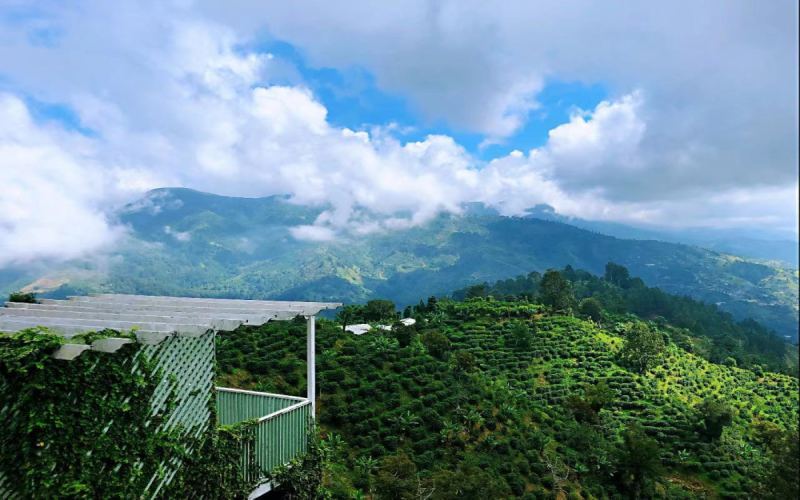
Jamaica Blue Mountain No. 1 Coffee Bean Brand Recommendation: Clifton Estate Flavor Profile and Pour-Over Parameters in Detail
Blue Mountain coffee is hailed as the gentleman of the coffee world, but the market is flooded with products bearing the Blue Mountain name. How can you tell an authentic Jamaican Blue Mountain No. 1? This article systematically lays out the key points for buying and tasting Blue Mountain coffee, from regional regulations and certification documents to variety characteristics and brewing methods. It also introduces the Clifton Estate 1310-meter Blue Mountain beans selected by Front Street Coffee since 2014, analyzing their balanced, clean flavor profile. Whether you are a beginner just getting to know Blue Mountain or a seasoned connoisseur looking to confirm your pour-over parameters, you will find practical guidance here. [more…]
A Detailed Guide to Jamaican Blue Mountain Coffee Grades: Grade 1, Grade 2, Grade 3 Specifications and Authentic Price Reference
Jamaican Blue Mountain coffee is world-renowned for its unique flavor and strict controls. Jamaican law stipulates that only coffee beans grown in the Blue Mountain region may bear the name "Blue Mountain." High-grade Blue Mountain coffee is divided into three grades—No. 1, No. 2, and No. 3—corresponding respectively to screen size standards of 17–18 mesh and above, 16 mesh, and 15 mesh. The green beans of all three grades must be packed into wooden barrels for export, with the barrel bearing the estate name, importer's abbreviation, and batch information, along with a government-certified green certificate of origin. Understanding these grades and export regulations helps coffee enthusiasts verify authenticity and make informed purchases of genuine Blue Mountain coffee. Front Street Coffee recommends that consumers pay attention to the roast level and packaging format to judge the true quality of the Blue Mountain coffee in their hands. [more…]
A Detailed Explanation of the Jamaican Blue Mountain Coffee Grading System: How to Distinguish and Identify Authentic Blue Mountain Beans by Grade 1, 2, and 3
Blue Mountain coffee is one of the world's finest coffees, and its grading and export regulations are extremely strict. Jamaican law explicitly stipulates that only coffee beans grown in the Blue Mountain region may bear the name Blue Mountain. High-grade Blue Mountain coffee is divided into three grades—No. 1, No. 2, and No. 3—according to green bean size. All must have their flavor confirmed by government-approved cuppers and must be exported in wooden barrels. This article will systematically introduce the grading standards for Blue Mountain coffee, the meaning of the markings on the wooden barrels, the certificate of origin system, and the differences among Blue Mountain beans of different grades in roasting and export forms, helping coffee enthusiasts fully understand the key points for identifying authentic Blue Mountain coffee beans. [more…]
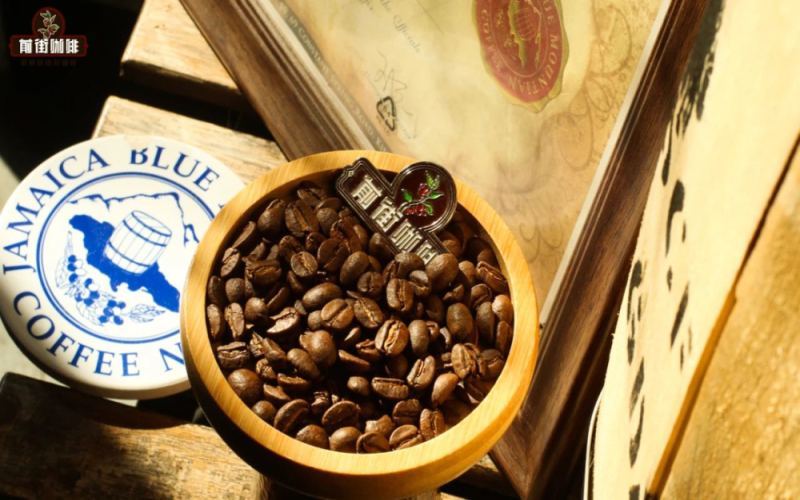
Detailed Guide to Jamaica Blue Mountain No.1 Coffee Bean Origin, Varieties, and Pour-Over Parameters
Blue Mountain coffee has always enjoyed an extremely high reputation among coffee lovers worldwide, but products marketed under the "Blue Mountain" banner range in price from a few dozen yuan to over a thousand yuan, making it hard to tell genuine quality from counterfeit. This article will systematically sort out the producing region definition, variety characteristics, grade classification, and certification system of authentic Jamaican Blue Mountain coffee, helping readers recognize what truly constitutes Blue Mountain No. 1. At the same time, Front Street Coffee uses the Blue Mountain No. 1 produced at Clifton Farm as an example to share practical recommendations for pour-over Blue Mountain coffee regarding grind size, coffee-to-water ratio, and other parameters, allowing this top-tier coffee bean to display the flavor performance it deserves. [more…]